
The Science
Nitric oxide (NO) is considered one of the most important molecules naturally produced by the human body. In fact, Nitric Oxide is so important, a Nobel Prize in Physiology or Medicine was awarded in 1998 to the three US scientists responsible for its discovery.
What is Nitric Oxide?
Nitric oxide (NO) is a vital molecule produced by the human body, recognized for its critical role in cellular functions, including vasodilation and oxygen delivery; its significance was underscored when three US scientists received the Nobel Prize in Physiology or Medicine in 1998 for its discovery. Our R&D efforts are focused on bringing various Nitric Oxide-based treatments to market, with each at various stages of regulatory approval.
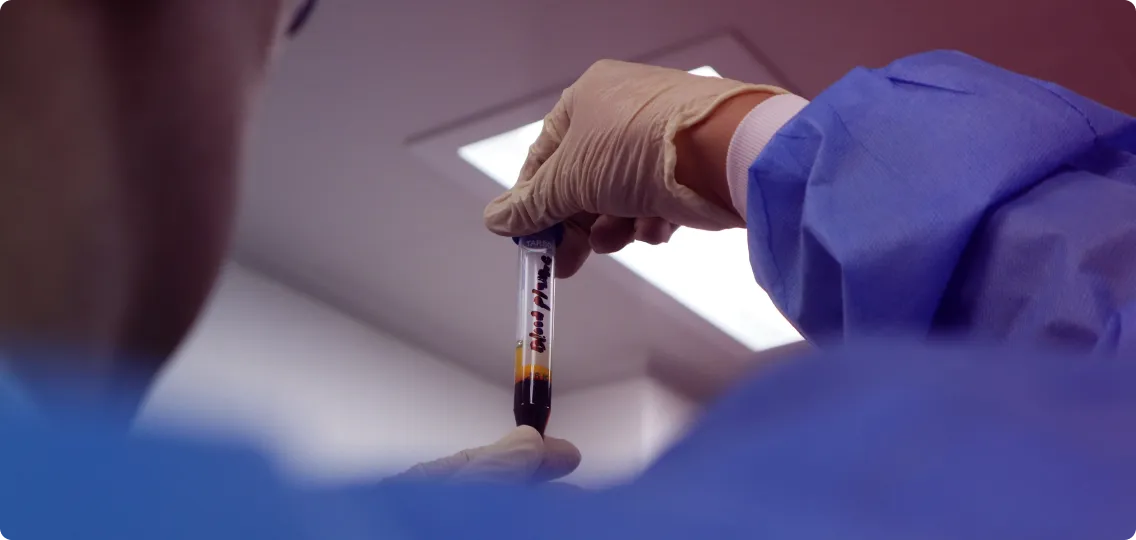
Nitric Oxide is a major contributor to aging and disease
Loss of Nitric Oxide (NO) is one of the most important contributors to aging and age-related disease. It is a cell-signaling molecule responsible for many important and essential cellular functions including acting as a vasodilator and regulating oxygen delivery. Our endothelial cells, the cells that line the interior surface of our blood vessels, are the main source of NO production. Endothelial NO production is what maintains the integrity of our endothelium. Loss of NO is referred to as endothelial dysfunction. Every major chronic disease is characterized by endothelial dysfunction.
Nitric oxide is also important in our immune system. NO produced by macrophages and neutrophils is responsible for killing invading pathogens such as bacteria and viruses.
There are two ways the body normally produces Nitric Oxide (NO). One is from the amino acid L-arginine. The enzyme nitric oxide synthase that converts L-arginine into nitric oxide becomes uncoupled and dysfunctional over time. In fact, we lose about 10-12% of our endothelial function per decade. Endothelial dysfunction is the earliest event in the onset and progression of most, if not all, chronic diseases.
The other pathway to make nitric oxide is from inorganic nitrate and nitrite found naturally in some foods, particularly green leafy vegetables. However, this is dependent upon eating enough green leafy vegetables that contain sufficient nitrate. It is estimated that a typical Western diet only contains about 150mg of nitrate. We need about 300-400 mg per day to make sufficient nitric oxide. Therefore most people are not getting sufficient nitric oxide from their diet. Furthermore, there are many lifestyle choices and commonly used products that completely shut down nitric oxide production from this pathway. The use of anti-septic mouthwash disrupts the oral microbiome responsible for nitrate reduction to NO. Over 200 million Americans use daily mouthwash. Evidence reveals mouthwash disrupts NO production and causes an increase in blood pressure. The use of antacids, specifically proton pump inhibitors (PPIs) also inhibits NO production from both pathways. There are over 200 million prescriptions written for antacids every year. This puts most Americans deficient in NO. It is no longer a mystery why 2 out of 3 Americans have an unsafe elevation in blood pressure.
Nitric Oxide Production Decreases with Age
Nitric oxide production declines naturally over time. This is dependent on diet and lifestyle with some genetic predisposition. By the age of 40, on average, our bodies produce about half the nitric oxide production we had when we were in our late teens and early twenties. This is due to many factors including aging, oxidative stress, poor diet, lack of physical exercise, smoking, diabetes, high sugar diet, certain drug therapy, etc. all resulting in endothelial dysfunction and the progression of disease.

Welcome to Your Personalized N1o1 Assessment
Thank you for participating in this personalized experience. Your responses will not only help determine your current nitric oxide status with an accuracy comparable to test strips, but they will also help Dr. Nathan Bryan develop even more personalized protocols in the future.
These statements have not been evaluated by the Food and Drug Administration. These products are not intended to diagnose, treat, cure, or prevent any disease.
By purchasing N1O1 products, the buyer agrees that the products are for personal use or use by the purchaser only and may not be resold, redistributed, or exported. Unauthorized resale or distribution may lead to legal action, including but not limited to injunctions, seizure of products, and damages. N1O1 enforces its rights against unauthorized resale activities vigorously and will take legal action to protect its intellectual property to the fullest extent of the law.
All company brand names and logos of N1O1 & Pneuma Nitric Oxide LLC are trademarks or registered trademarks of Pneuma Nitric Oxide LLC or its affiliates. Unauthorized use is strictly prohibited.


Bryan Therapeutics Inc.,
2407 South Congress Ave E134, Austin, TX 78704